Home
Residential Rehabilitation Programme
  Cost
  Selection Criteria
  Client Expectations
Lapse Provision
Third Stage Accommodation
After Care
  Cost
Floating Support
Relapse Prevention Service
Structured Day Programme
Alcohol Misuse Service
  FAQ's
  Information Leaflets
Young Persons Project
Gamcare
North Somerset Services
Criminal Justice Drugs Helpline
Current Job Vacancies
Staff Benefits
Contact Us
Useful Contacts


Frequently Asked Questions about Alcohol


What is a safe amount to drink?

The recommended amount for adults is:

Women: 14 units a week (1-2 units a day)
Men: 21 units a week (1-3 units a day)


These units are for people whose bodies are fully developed. Therefore a young person should be drinking less than the amount recommended for adults. There are no safe limits set for young people.


I can't be a problem drinker because...

...I'm not a down and out
Many think of problem drinkers as 'down and outs', as people who have no self respect, position or future. This may be true for some but it is also true that many people are leading apparently 'ordinary lives', many of whom still have good jobs, are maintaining their families, and are 'getting along' but they often have a difficult time of it because of drinking. Many do not realise themselves that they have a problem, although they may be beginning to experience not feeling well, or not handling matters as well as they want.

...I never drink before 5.00pm
Some people have the mistaken idea that no one is an alcoholic unless she/he has to have a drink in the morning. This is not true. It is true that the need for a 'morning drink' is one of the symptoms of the chronic stage of alcoholism. But simply because one does not crave a drink in the morning does not mean that one is not an alcoholic. You may be able to wait all day for a drink but when it comes you find you drink much more that you intended and have felt tense during the day until the 'time' for your drink approaches. You may well have a problem. It is not when you drink but whether you can control the amount you drink that determines whether you have a drink problem. If your partner starts insisting you have a drink problem this may indeed be true.

...I never drink anything but beer
This is a fallacy. Each half a pint of ordinary beer has the same amount of alcohol as a pub measure of spirit or a small glass of wine, this amount is referred to as one unit of alcohol. All alcohol has to be burned up by the liver before eventually leaving the body and each unit of alcohol takes up to one hour to do this. So every pint of beer drunk will take about two hours for the liver to process and the body to be cleared of alcohol.

...I'm too young
Some people seem to drink heavily for many years before any harm is noticed. It is not your age or how many years you have been drinking but what alcohol is doing to you. Loss of control can occur anytime in a person's drinking history. Women are particularly at risk as their bodies do not tolerate as much alcohol as men (see 'Women and Alcohol' information sheet).

If you think you have a problem...

If you feel you have a problem do seek help. You may feel that you will never be able to control the alcohol or even admit you have a problem, but the problem will get progressively worse if you do not face up to it. It is a fact that other people have asked for help and found the situation can be resolved. If you DO want to stop, there is help available. Contact your local Alcohol Advisory Centre, who will be able to give you information and counselling if requested, and can also give information about other helping agencies eg. Alcoholics Anonymous.

What exactly is counselling?

Counselling is a kind of help. It provides an opportunity for you to talk things through with someone who will listen to you carefully and sympathetically, and who will not judge you in thinking of ways to solve your problems or to live with them.

How can I help a relative with a drinking problem?

Talk to the person you're worried about. Find a time when they're sober and when you're both reasonably calm. Tell them about the problems their drinking is causing. Listen to them. Find out how they feel about their drinking, and how it helps them. Discuss with other members of the family what you are trying to do. This will make it easier for everyone to take a similar approach, and it will be less confusing to the person who is drinking.


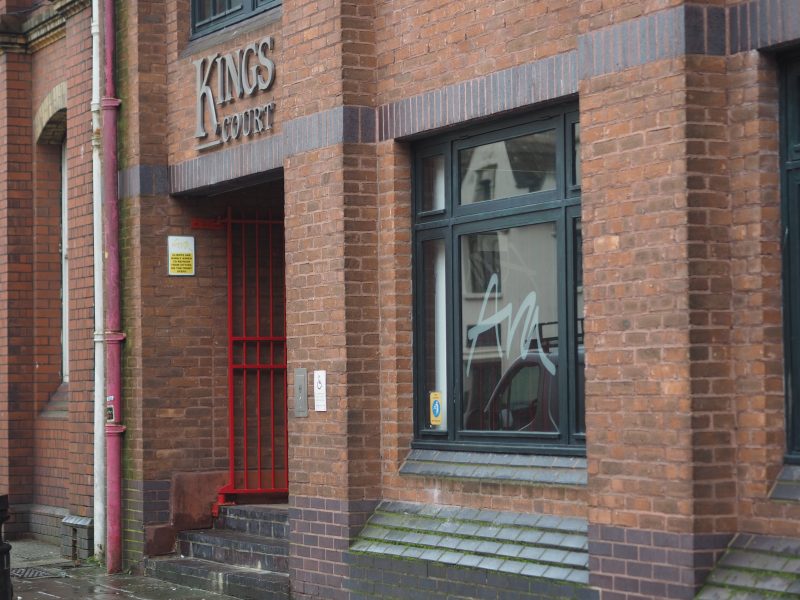
Head Office:  King's Court, King Street, Bristol BS1 4EE. Telephone 0117 930 0282 fax 0117 929 4810

info@addictionrecovery.org.uk

North Somerset Services: 38 Boulevard, Weston-super-Mare, BS23 1PE Tel: 01934 415 376 Fax: 01934 613 420

Addiction Recovery Agency Limited Limited Company Number 2540814 Registered Charity Number 1002224
Members of EATA
(European Association for Treatment of Addiction UK) DRUGSCOPE & Homeless Link